

AI Accelerator

AI On-Ramp

AI Readiness, AI Roadmap, and AI Prototyping as a single bundled program, with overlapping phases for continuity and efficiency.

Organizations that know they want all three foundational accelerators (Readiness, Roadmap, and a Prototype) don't need to run them as three separate engagements. AI On-Ramp bundles the three into a single, structured program over twelve to sixteen weeks. Phases overlap where appropriate to compress the total timeline without compressing the work. The program ends with a working proof-of-concept, a funded-ready roadmap, and the organizational understanding to move decisively from evaluation into implementation. One sponsor, one Spruce team, one continuous engagement, three production-grade deliverables.

When the AI On-Ramp is the right choice

The On-Ramp is built for organizations with a committed AI ambition and a decision-making structure that favors continuity over sequential contracting. It's typically the right choice when:

  • Leadership is committed to an AI program, not a single experiment.
  • The organization wants Readiness, Roadmap, and a Prototype, and prefers a single engagement rather than three procurement cycles.
  • Timeline matters — the overlap saves one to three weeks of calendar time versus running the three accelerators sequentially.
  • Continuity matters — the same core team follows context across all three phases, which materially improves the quality of the Prototype.
  • A funding committee or board requires all three outputs (readiness evidence, prioritized roadmap, working prototype) to approve a larger implementation budget.
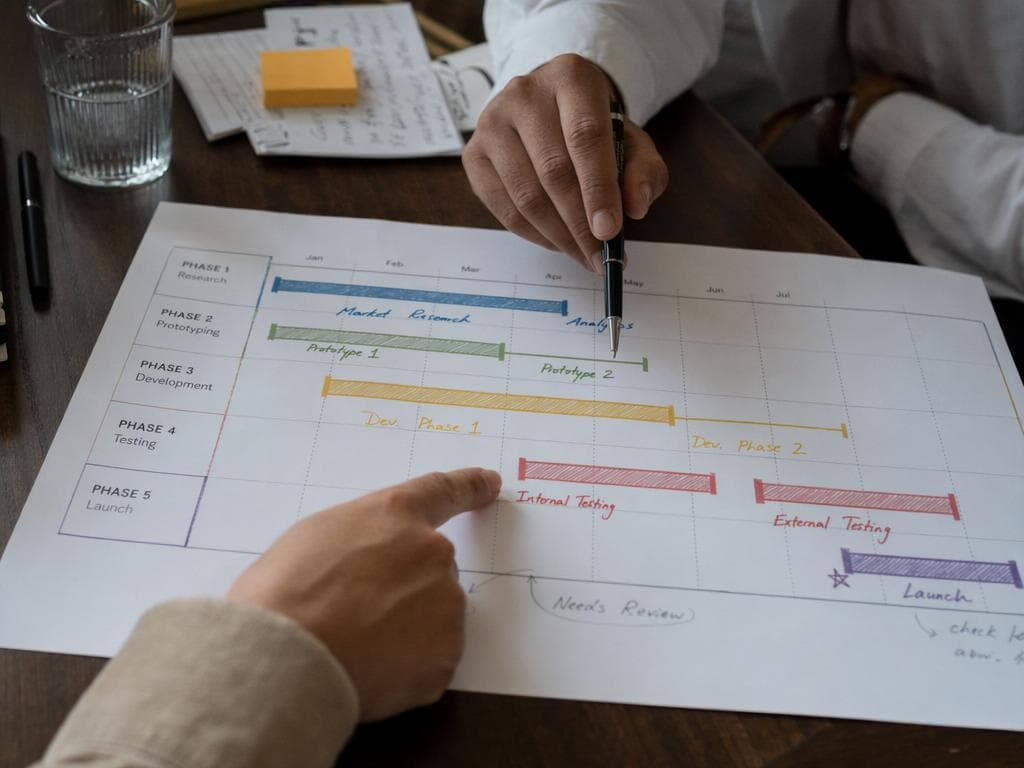
Overlapping phase timeline across 12-16 weeks

How the program compresses three engagements

The three accelerators are run in an overlapping cadence rather than strict sequence. Readiness discovery extends into Roadmap scoping; Roadmap prioritization informs Prototype planning; and the Prototype begins model selection and data preparation before the Roadmap is fully finalized. Overlap is deliberate, not just schedule compression: each phase's output materially improves the next phase's starting point, and the same core Spruce team carries the context forward.

The three phases

One sponsor, one Spruce team, three overlapping phases that compress calendar time without compressing the work. Each phase's output materially improves the next.

Phase 01

Readiness (weeks 1 to 6)

Data, infrastructure, workforce, and governance assessment. Discovery doubles as opportunity-surfacing for Phase 2. Ends with the AI Readiness Report, executive presentation, prioritized action plan, initial use cases, and responsible-AI policies when scoped.

Phase 02

Roadmap (weeks 4 to 10)

Use case validation, six-dimension prioritization, feasibility assessment, and phased roadmap development. Overlaps with Phase 1. By week ten, a validated, budget-ready plan and a clear top use case for Phase 3.

Phase 03

Prototype (weeks 9 to 16)

Full Prototyping accelerator against the top-priority use case. Begins during Roadmap finalization so no calendar time is lost. Ends with a working PoC, summary report, production specification, and rough-order-of-magnitude estimate for the full build.

Deliverables

AI Readiness Report

Findings, scored maturity across five domains, gap analysis, and prioritized recommendations.

Responsible-AI policies (when scoped)

Ready-to-adopt policies for HR, IT, cybersecurity, and procurement.

AI Use Case Portfolio

Validated candidates with prioritization scores, data and integration profiles, and recommended next steps.

Phased AI Roadmap

Time-based implementation plan with dependencies, resourcing, and funding guidance.

Working proof-of-concept

Deployed PoC for the top-priority use case, with documentation and test coverage.

Production specification

Architecture, integrations, data, security, observability, and remaining work to production readiness.

Rough-order-of-magnitude estimates

For the top priority use case and for the broader roadmap, suitable for budgetary approval, SOW, or RFP.

There is a real cost to running these engagements as three separate contracts. You repeat discovery. You re-onboard a team. You lose the context that made phase two faster. You add three to five weeks of calendar time across procurement, kickoff, and handover. Bundling them into a single engagement removes that overhead, and keeps the same senior advisor and architect engaged end to end, which materially improves the quality of the prototype.

Best for

  • Organizations launching or relaunching an enterprise AI program with committed executive sponsorship.
  • Public-sector agencies consolidating AI investment decisions into a single, defensible engagement.
  • Enterprises preparing a multi-year AI investment case that requires evidence across readiness, portfolio, and feasibility.
  • Boards and funding committees that want working proof (not just a roadmap) before approving a larger program budget.
  • Organizations that value continuity of team and context over the optionality of running three separate procurements.

Who you'll work with

An AI On-Ramp engagement is anchored by a lead Spruce advisor who stays with the program from week one to week sixteen, a solution architect who pressure-tests feasibility throughout and owns the prototype architecture, a data and infrastructure specialist, and (from Phase 3 onward) a small engineering team. Governance, policy, and domain specialists are pulled in as the engagement requires.

Ready to move forward?

Every Spruce engagement begins with a short conversation about your goals, constraints, and timeline.